In today’s fast-paced world, prolonged stress, sedentary lifestyles, and daily responsibilities affect well-being. Emotional distress, muscular tension, reduced body awareness, and mental fatigue are common challenges.
These issues can impact overall quality of life. Movement Therapy offers strategies to address them and improve well-being through mindful movement.
While traditional approaches to health often focus on physical fitness or verbal communication, movement-based therapeutic approaches recognize the important link between the body and mind.
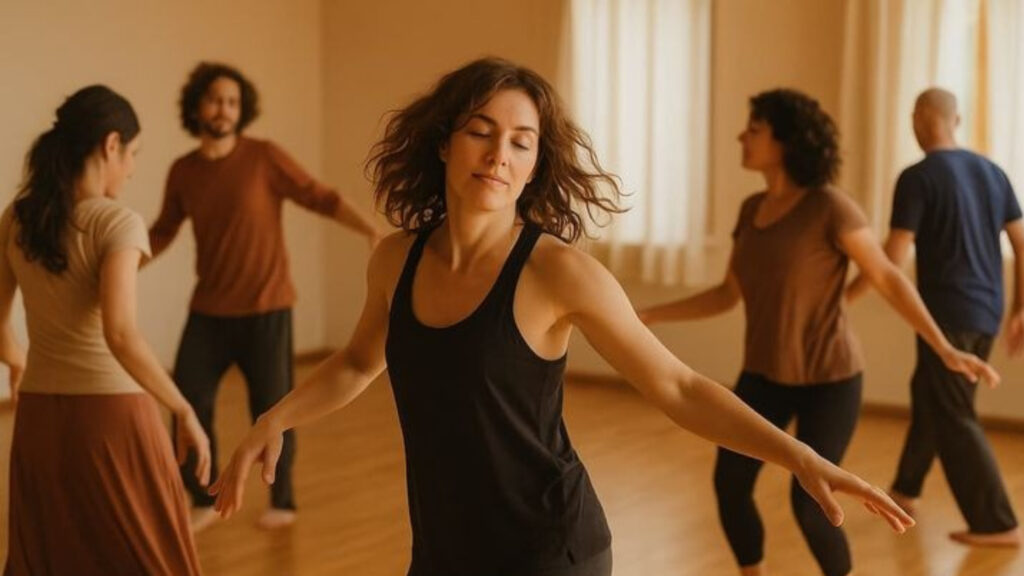
Movement Therapy is an approach that uses intentional body movements to promote body awareness, emotional expression, self-regulation, and psychological well-being. By combining physical movement with mindfulness and emotional awareness, it encourages individuals to develop a healthier connection between their physical sensations, thoughts, and emotions.
Movement Therapy: What It Is
Movement Therapy is a therapeutic approach that incorporates purposeful body movements to support physical, emotional, cognitive, and psychological functioning.
It may involve activities such as gentle stretching, controlled breathing, mindful walking, rhythmic movements, and expressive body movements.
Unlike conventional exercise, which primarily focuses on improving physical fitness, Movement Therapy-based approaches may also emphasize:
- Body Awareness: Recognizing physical sensations, posture, and movement patterns.
- Emotional Awareness: Identifying and exploring emotions through physical expression.
- Self-Regulation: Developing strategies to manage stress and emotional responses.
- Mind-Body Integration: Understanding the relationship between psychological experiences and physical sensations.
Dance/Movement Therapy (DMT) is a specialized form of psychotherapy that uses movement to promote emotional, social, cognitive, and physical integration. It is facilitated by appropriately trained and qualified professionals.
How Does Movement Therapy Work?
Movement-based therapeutic approaches recognize that psychological experiences can influence physical responses, and physical movement can, in turn, influence emotional states.
Through structured and mindful movement activities, individuals are encouraged to observe bodily responses, recognize patterns of physical tension, and develop greater emotional awareness.
A movement therapy session may incorporate the following techniques:
1. Body Awareness and Somatic Awareness
Individuals are encouraged to recognize physical sensations, muscle tension, posture, and bodily responses. Developing somatic awareness can help individuals better understand how stress and emotions may manifest physically.
2. Breathing and Relaxation Techniques
Controlled breathing combined with gentle movement may encourage relaxation and support emotional self-regulation.
3. Expressive Movement
Non-verbal movement provides opportunities for emotional expression and exploration. Gestures, posture, and spontaneous movements may help individuals communicate experiences that are sometimes difficult to express verbally.
4. Mindful Movement
Mindful movement involves maintaining present-moment awareness while performing physical activities. It encourages individuals to observe their movements, breathing patterns, and bodily sensations without judgment.
5. Progressive Physical Relaxation
Gentle movement and relaxation techniques can help individuals recognize and release unnecessary muscular tension while developing greater awareness of physical comfort.
These activities can be modified according to individual requirements, physical abilities, and therapeutic goals.
Psychological and Physical Benefits of Movement Therapy
When appropriately selected and guided, movement-based approaches may contribute to several aspects of overall well-being.
1. Supports Stress Management and Emotional Regulation
Mindful movement and controlled breathing can encourage relaxation and help individuals become more aware of their emotional and physiological responses to stress.
Regular engagement in suitable movement activities may support emotional regulation and improve an individual’s ability to manage everyday stressors.
2. Enhances Body Awareness and Interception Awareness
Interception refers to the ability to recognize and interpret internal bodily sensations, such as breathing, heartbeat, muscular tension, and changes in physical comfort.
Movement-based activities can encourage greater awareness of these sensations, supporting a better understanding of the relationship between physical and emotional experiences.
3. Encourages Non-Verbal Emotional Expression
Not all emotional experiences are easily communicated through words. Expressive movement can provide an alternative medium for exploring and communicating emotions.
This approach may be particularly valuable in therapeutic settings where individuals benefit from non-verbal forms of emotional exploration.
4. Promotes Physical Coordination and Mobility
Gentle stretching, balance activities, and controlled movements can support flexibility, coordination, balance, and functional mobility.
The activities should always be adapted to an individual’s physical condition and movement capacity.
5. Strengthens Mind-Body Integration
Movement Therapy encourages individuals to recognize the interconnected relationship between psychological experiences and physical responses.
Developing this awareness may support greater self-understanding, emotional awareness, and a more balanced approach to personal well-being.
Who Can Benefit from Movement Therapy?
Movement-based therapeutic approaches may be considered for individuals who wish to:
- Develop greater body awareness and self-understanding.
- Explore emotional expression through non-verbal communication.
- Improve stress management and relaxation.
- Develop mindfulness and present-moment awareness.
- Improve movement coordination and physical confidence.
- Strengthen the connection between physical sensations and emotional experiences.
The suitability of Movement Therapy depends on an individual’s needs, therapeutic objectives, and physical capabilities. A qualified professional can help determine the most appropriate approach.
Simple Mindful Movement Practices to Try at Home
Mindful movement does not always require complicated exercises or specialized equipment. Simple activities can help individuals develop awareness of their bodies and movement patterns.
1. Gentle Morning Stretching
Begin the day with slow, comfortable stretches. Pay attention to muscle sensations, posture, and breathing rather than focusing on the number of repetitions.
2. Mindful Walking
Walk at a comfortable pace while observing each step, your breathing, and the surrounding environment. This practice encourages present-moment awareness.
3. Breathing with Movement
Coordinate slow, comfortable breathing with gentle arm movements or shoulder rotations. This can encourage relaxation and awareness of breathing patterns.
4. Expressive Movement
Move naturally to calming music without concentrating on performance or perfection. Allow your body to explore comfortable movements while remaining aware of your physical and emotional responses.
5. Body Awareness and Relaxation
Sit in a comfortable position, breathe naturally, and gradually observe different areas of your body. Notice areas of tension or discomfort without forcing them to change.
Important: These practices are general wellness activities and are not a substitute for professional therapy. Avoid movements that cause pain or discomfort. Individuals with existing medical or musculoskeletal conditions should seek appropriate professional guidance before beginning new activities.
Movement Therapy vs. Conventional Exercise
Although both approaches involve physical movement, their primary objectives and methods may differ.
Conventional Exercise
- Primarily focuses on physical fitness and conditioning.
- Aims to improve muscular strength and cardiovascular endurance.
- Often involves structured routines and measurable physical goals.
- Supports physical health and functional capacity.
Movement Therapy
- May focus on psychological and physical well-being.
- Encourages emotional awareness and non-verbal expression.
- Emphasizes body awareness and mind-body integration.
- May incorporate mindfulness and emotional self-regulation techniques.
Both approaches can complement each other as part of a holistic approach to health and well-being.
Final Thoughts: Understanding the Connection Between Mind and Body
Movement is more than a physical activity. It can also provide an opportunity to develop self-awareness, explore emotional experiences, and understand the relationship between psychological and physical well-being.
Movement Therapy highlights the importance of mindful body awareness, emotional expression, and self-regulation. By incorporating purposeful movement into therapeutic practice, individuals may develop healthier ways of responding to stress and understanding their internal experiences.
Whether through mindful walking, gentle stretching, breathing exercises, or expressive movement, small and intentional movements can become meaningful steps towards improved well-being.
Listen to your body. Understand your emotions. Move towards a healthier mind-body connection.